Although businesses switched most of their communication with clients to in-app notifications and emails, SMS remains an essential channel. Many companies send critical updates via text, mirroring their emails.
As a result, customers are accustomed to the expectation that if a business sends them an SMS, they should receive instant feedback. It results in an astonishing 98% open rate in text messages, compared to just 10–20% for emails.
Unfortunately, this trust makes SMS a favored tool for attackers engaging in SMS spoofing, pretending to be legitimate companies to trick users into revealing sensitive information. Today, we’ll take a closer look at these attacks and share practical SMS phishing protection measures that every business should use to secure its users.
What Is a Smishing Attack?
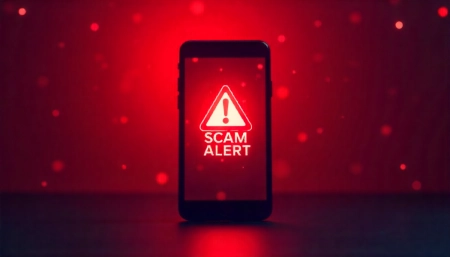
Smishing is phishing by text. Attackers send an SMS that looks routine — a bank alert, a delivery update, a reward notice — and count on the recipient to trust the format. SMS phishing (smishing) exploits the trust people naturally have in text messages, using deceptive tactics employed by cybercriminals.
The messages push urgency:
- “Your bank account has been locked. Click here to verify your details.”
- “You’ve won a prize! Claim it now.”
- “Your package delivery from Amazon has failed. Reschedule it here.”
Clicking usually leads to a fake site built to capture logins, email, or payment details. Some links don’t stop there. They trigger malware installs on the device, opening the door for account takeovers and data theft.
5 Most Common Types of Smishing
As we mentioned earlier, criminals often disguise themselves as legitimate businesses, so users may not double-check the actual sender and take the intended action. Let’s examine the five most common SMS attack types and why they are still effective in 2025.
Type of attack | What cybercriminals typically do | Why does it work? |
Banking | Attackers impersonate well-known financial institutions with security alert messages, so users share their login credentials or credit card information. | People are afraid of losing money, which creates a sense of urgency, making them more likely to act without verifying the information's source. |
Delivery | Victims receive a text that there is a problem with the package: it’s waiting for too long, delayed, or requires confirmation of details. The message often includes a shortened link leading to a fake tracking page. | Online shopping has become a modern routine, and attackers exploit it by making the fake message appear believable and urgent. |
Prizes and lotteries | Criminals lure victims with promises of unexpected rewards in lotteries that a user may not have even participated in. | The fear of missing out and the desire to get rich quickly push people to act immediately without questioning the legitimacy of the offers. |
Tech Support and authentication | Attackers often pose as well-known companies or social media platforms, claiming that the victim's account safety has been compromised. | People rely on their digital accounts, so the threat of losing access to them creates anxiety and pushes users to act immediately. |
Government | Cybercriminals impersonate government agencies or tax authorities. They tell the victim that they have an urgent regulatory issue or have been approved for an incentive. | Attackers want to get access to the victim’s identifiers (such as SSN), banking credentials, or to extort money under the threat of fines. People tend to take messages from government agencies seriously, so they do what is described there with no hesitation. |
The takeaway is simple: scammers always find a way to pose as a trusted brand or institution. And if you want to protect yourself and your clients, you need to know how to prevent smishing. It’s much easier to stop it early than fix the consequences.
How to Prevent Smishing in Your Campaigns: 8 Anti-Fraud and Cybersecurity Tips
Smishing isn’t just a consumer problem. Even if you are a law-abiding company, you are still at risk since the actions of such outlaws can damage users' trust in you. In the long run, it may lead to a damaged reputation and even legal consequences.
By combining anti-fraud strategies with robust cybersecurity as part of your SMS phishing protection, businesses can significantly reduce the risk of smishing attacks. Let's examine eight ways to prevent smishing and safeguard your campaigns across any niche.
Limit Campaign Scope and Authenticate Your Brand
Large-scale SMS campaigns are harder to secure, so it’s important to combine robust fraud prevention software with extra measures like brand authentication and controlled scope. Clear segmentation helps ensure your messages reach the right people while lowering the risk of impersonation.
With sender ID authentication, customers can clearly see that the text comes from your brand. Most common verification options include 10DLC, short codes, branded sender IDs, Verified SMS (Google), or RCS business messaging. Pick an SMS phishing protection that fits your needs and budget.
Proactively Educate Customers
Even with strong security measures, your customers are the first line of defense. You can leverage the latest tools, but if your client believes the SMS “Hi, I’m John, the representative of ACME Corporation. Please give me the SSN and credit card number to verify you,” they still get scammed.
No matter how technically advanced you are, if your customers don’t know the basics of data security, they become your biggest cyber vulnerability. Hence, start by teaching them simple tips so they can spot suspicious messages and avoid any scammers.
Explain to them that their vigilance is the best SMS phishing protection, as no one can fool users who simply don’t click on suspicious links. Share examples of common scams, teach your clients how to spot potential frauds, and tell them what practices you use to protect them. They should know how to act if they get a slightly suspicious message on your behalf.
It’s better to regularly post articles related to cybersecurity for your clients, even when your niche is far from it, than to deal with the consequences of impersonator scams.
Set Up a Fraud Reporting Channel
Even with strong defenses in place, some smishing attempts will get through. That’s why part of any SMS phishing protection strategy should include a clear reporting process for suspicious texts. An easy channel for customers and employees makes it possible to flag scams early and limit the fallout.
Set up a dedicated address or short code — for example,
Follow up with your clients when action is taken. Regular feedback builds trust and shows that reports aren’t ignored, but used to protect the community actively.
Monitor Brand Misuse
Cybercriminals often impersonate trusted brands. Proactive monitoring is crucial for SMS phishing protection since it helps you detect when your name, logo, or sender ID is being misused by unauthorized sources.
To ensure maximum safety, deploy brand monitoring tools that scan telecom networks, SMS traffic, and the web for fraudulent use of your company name or domains. Don’t forget to regularly use threat intelligence services to identify lookalike domains or phishing pages.
Secure SMS Gateways
The SMS gateway you choose has a big impact on security. Reliable providers make sure your texts get through safely and aren’t spoofed by attackers. The usage of advanced SMS gateways is known as one of the most effective e-commerce fraud prevention cybersecurity practices since it reduces the risk of criminals misusing your brand.
Stick with vendors that follow the latest compliance standards, such as GDPR or ISO 27001, offer encryption, and have built-in fraud detection services. Working with trusted providers shows your clients you take security seriously.
Embrace the latest AI Tools
Smishing is getting smarter, and older defenses can’t always keep up. AI-powered solutions can help you spot suspicious patterns, such as odd timing or content that feels slightly “off.” On top of that, behavioral analytics tools analyze how users typically interact and raise a flag when something appears unusual. That way, minor issues can be spotted before they grow into serious ones.
You can integrate SMS phishing protection services into your existing security infrastructure, enhancing its capabilities without overhauling current systems. For instance, Phonexa can be seamlessly connected to your system, giving you an extra level of AI-based insights.
Adopt Multi-Layer Authentication
Relying solely on SMS-based one-time passwords (OTPs) leaves both businesses and customers vulnerable to phishing and 2FA interception.
Multi-layered authentication will be your greatest SMS phishing protection measure, reducing dependence on SMS as the sole verification method. Four of the most common approaches are:
- Alternative authentication: Use authenticator apps (Google Authenticator, Authy, Microsoft Authenticator) or hardware security keys (YubiKey, Titan).
- Combine checks: Pair SMS OTPs with device recognition, biometric login (fingerprint/Face ID), or email verification.
- Adaptive authentication: Apply stricter checks when logins come from unusual locations, devices, or times.
Even if a criminal obtains an SMS code, multi-layered authentication keeps them locked out. Adding extra checks provides stronger protection and helps you outsmart new smishing tricks.
Regulatory Compliance
While you are obligated to follow the basic regulations, we recommend that you also leverage advanced measures. Many frameworks, such as GDPR, TCPA, or CCPA, mandate proactive monitoring, secure communications, and customer data safeguards. Combined, all these actions become a solid SMS phishing protection for your business.
It’s a good idea to run regular audits and risk checks so you catch weaknesses before attackers can take advantage of your business. Keep your opt-in and opt-out policies clear, not just because regulations require it, but because it helps your customers feel in control of the messages they receive.
Final Thoughts
Smishing is an ever-evolving threat, and there is no single measure to stop it. Using a multi-layered defence scheme will be your main SMS phishing protection. You need to implement the latest solutions to protect your platform against hacking. At the same time, educate your clients on your blog and social media by explaining the basics of cybersecurity.
That way, you’ll ensure that you are both protecting your data with the best software measures and building a trustworthy atmosphere with your clients. Remember that prevention is always easier than dealing with the fallout, and staying vigilant today is the best way to stay secure tomorrow.
Frequently Asked Questions
How does smishing work?
Attackers hide their identity and pretend to be a legitimate business that sends their clients an urgent text message. In this SMS, cybercriminals trick users into providing personal data or clicking on malicious links.
How to prevent smishing?
Combine both technical methods, such as verifying sender ID, limiting a campaign scope, or adopting AI-based tools, with educational activities. Combining various defenses will be your main SMS phishing protection since it becomes harder to impersonate you.
Why are smishing attacks particularly effective?
SMS feels more personal and urgent than email, making people more likely to trust and quickly respond. Since texts usually bypass spam filters, victims share sensitive data without double-checking.


Other FAQs
- Exploring Malicious Code Risks: Strategies for Email Safety
- Proven Strategies for Effective Malware Removal on Windows Computers
- Why Outsourcing Email Security is Critical for Modern Businesses
- Comprehensive Guide to Safeguarding Against Domain Spoofing Threats
- Effective Strategies to Combat Insider Threats in the Workplace
- Strategies for Email Authentication to Counter CEO Impersonation
- Critical Factors for Selecting Email Security Solutions in Business
- Harnessing Managed Security Services for Enhanced Cybersecurity Vigilance
- Effective Penetration Testing Techniques for Cybersecurity Enhancement
- Managed SIEM Solutions: Boosting Email Security for Small Businesses

Join Our Community
of Readers!